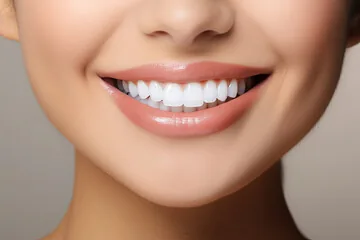
This guide focuses on daily habits for a brighter looking smile and turns the idea into a few practical steps you can use in everyday life. Consistency gives you a better reference point than changing several things at once.
What this topic really means
For oral care and a brighter-looking smile, the useful question is not whether one trick works for everyone, but how daily habits for a brighter looking smile fits into the bigger picture of brushing, flossing, stain prevention, sensitivity, and whitening safety.
Think about your starting point before making changes. Your age, medical history, medicines, symptoms, schedule, and current habits can all affect what is appropriate.
A practical way to approach Daily Habits Brighter Looking Smile
- Avoid products or advice that promise an instant cure or guaranteed result.
- Start by choosing one change that fits your normal day.
- If you use medicines or have a diagnosed condition, check major changes with a qualified clinician.
- Pay attention to comfort, energy, symptoms, and any patterns you notice.
Details that matter for this specific topic
- Protect enamel and gums by following product directions and avoiding overuse.
- Sensitivity, cavities, gum disease, or dental restorations can change which whitening choices are appropriate.
How to make the idea easier to use
Link the habit to something you already do. For example, add it to your morning routine, a meal, a walk, or your evening wind-down. A small action that happens consistently is usually more useful than an ambitious plan that lasts only a few days.
It can also help to write down one or two observations. Depending on the topic, that might be comfort, energy, sleep quality, symptoms, food choices, activity, or questions you want to discuss at an appointment.
Common mistakes to avoid
Do not assume that “natural” automatically means risk-free, and do not combine multiple supplements or home remedies without checking for interactions. Be cautious with dramatic before-and-after claims, guaranteed results, and advice that tells you to stop prescribed treatment.
Simple next step
Choose one realistic action related to daily habits for a brighter looking smile and test it consistently. If the topic involves a symptom, track when it happens, what makes it better or worse, and whether it is changing over time.